Environmental Services
Corporate acquirer in water infrastructure services
has acquired
two founder-owned inspection businesses
Buy-side advisor
2025
Headquartered in San Jose, California. Advising B2B companies across North America.
We advise owners of environmental services, water and utility infrastructure businesses on sales, recapitalizations and acquisitions. Our work emphasizes the regulatory drivers, contracted revenue and permits that underpin value in this sector.
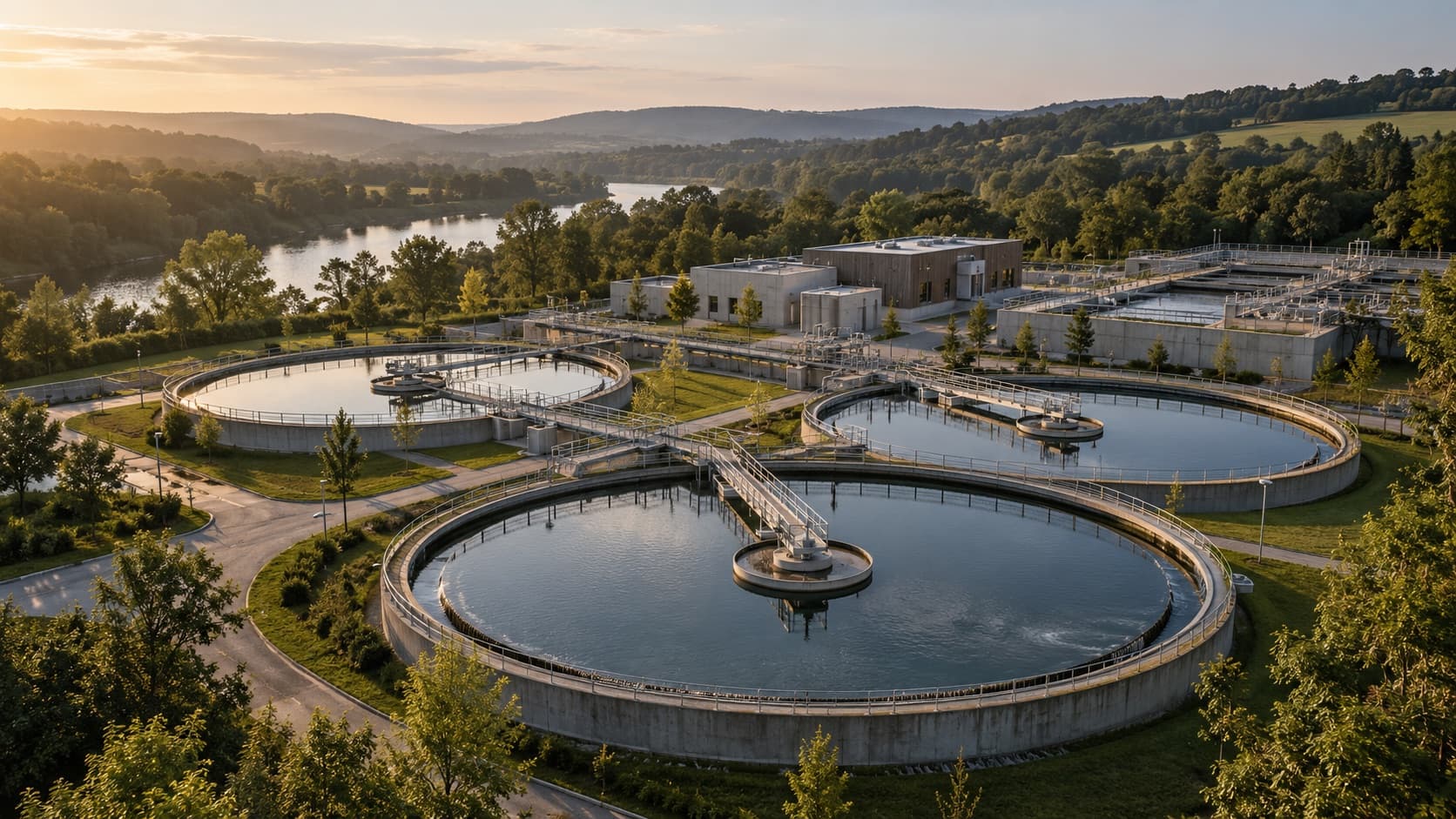
Environmental regulation creates sustained demand for compliance, testing, remediation and waste services. Emerging contaminants such as PFAS are expanding the scope of sampling, analysis and treatment work, and that expansion is likely to continue for years.
Aging water systems, grid modernization and resiliency programs support multi-year demand for contractors and service providers. Buyers look for firms with utility prequalification, master service agreements and established relationships with operators.
Collection, recycling and industrial waste remain active consolidation markets. Route density, permits and access to disposal capacity are central to value, and independent haulers with those assets are sought by national and regional consolidators.
Utilities and industrial operators increasingly outsource maintenance, inspection, vegetation management and specialized cleaning. Contractors with strong safety records and long client tenure are well positioned to capture that work.
Environmental and infrastructure services businesses benefit from demand rooted in regulation and the maintenance of essential systems. Buyers value that durability, but they also examine permits, safety, environmental liabilities and capital requirements more closely than in most sectors. Preparing for that scrutiny is central to achieving full value.
Permits and licenses often represent much of the strategic value in waste and environmental businesses, and buyers will confirm their status, transferability and compliance history. Environmental liabilities, including site contamination, closure obligations and regulatory actions, receive detailed review and can lead to escrows or specific indemnities. Safety records are critical, particularly for businesses serving utilities and industrial clients, where poor metrics can disqualify a contractor from bidding.
Fleet, equipment and facility needs are significant in many environmental businesses. Buyers will separate maintenance from growth capital and assess fleet age and condition. Presenting a clear capital plan, with replacement cycles and their cost, helps buyers value the business on free cash flow rather than applying a conservative assumption of their own.
Buyers distinguish between recurring collection, inspection and maintenance revenue and project-based work such as remediation or emergency response. Project revenue is valuable, often at attractive margins, but it is less predictable. We present each stream separately, with its history and client base, so buyers can value each on its merits rather than applying one multiple to the whole.
Owned real estate adds a further consideration. Transfer stations, yards and treatment facilities may carry their own permits and environmental history, and buyers will decide whether to acquire them or lease them. We evaluate both options with the owner, including the effect on proceeds, liability allocation and the buyer’s view of the business.
Our sourcing platform maps environmental services platforms, infrastructure investors and strategic acquirers by service line, permits and geography, helping identify buyers who need the specific assets and capabilities your business holds.
Hard-to-obtain permits for disposal, treatment, storage or transport that create real barriers to entry.
Master service agreements, recurring collection routes and long-term municipal or utility contracts.
Strong safety performance, which is often a prerequisite for qualifying with utility and industrial clients.
Efficient routes, well-located facilities and a maintained fleet that support margins and limit capital needs.
Specialized knowledge and accredited laboratory or engineering capability that supports premium pricing and client retention.
National and regional environmental and infrastructure services companies acquire to add permits, facilities, routes or client relationships. They value assets that would be difficult or slow to build, such as disposal access or utility qualifications.
Sponsors seek regulation-driven demand, contracted revenue and fragmented markets for add-ons. They examine safety records, environmental liabilities and capital intensity in detail.
Infrastructure funds and long-hold investors are drawn to essential services with long-term contracts and stable cash flow. They may accept lower growth in exchange for durability and are often comfortable with capital-intensive businesses.
Environmental Services
has acquired
two founder-owned inspection businesses
Buy-side advisor
2025
It depends on the permit and the jurisdiction. Some transfer with the business, especially in a stock sale, while others require regulatory approval or reissuance. Buyers will want a clear inventory and plan for each. We work with environmental counsel to confirm transferability early so it does not delay closing.
Buyers typically commission environmental site assessments and review regulatory history. Known liabilities may be addressed through price, escrow, specific indemnities or environmental insurance. Identifying and quantifying issues before a process usually leads to better terms than having them discovered in diligence.
Considerably, especially for businesses serving utilities and industrial clients. A poor safety record can limit eligibility for work and signals operational risk. A strong, well-documented safety program supports both revenue durability and buyer confidence, and buyers will ask for several years of history.

Valuation|
Size, revenue quality, the working capital peg, earn-outs, seller notes and rollover equity often matter as much to sellers as the headline multiple.

Sourcing|
Many of the best lower middle market acquisitions begin with an owner who was not selling. How direct, confidential outreach to owners works in practice.

Buy-Side|
Beyond the growth story, acquirers test net revenue retention, gross margin, cohort data, contract terms, technical debt and key-person risk.
Conversations with Laurent Capital are confidential and carry no obligation. A senior member of the firm responds to every inquiry within one business day.